
Adopt a River Mile Recycling Guide
WHAT TO DO WITH RECYCLABLES
When cleaning up your river mile, you’ll come across a variety of things that can be recycled! This guide is to help you decipher what can and cannot be recycled.
COMMON ITEMS FOR RECYCLING
Plastic bottles/cups
Glass jars/bottles
Scrap metalTires
PLASTIC BOTTLES & CUPS
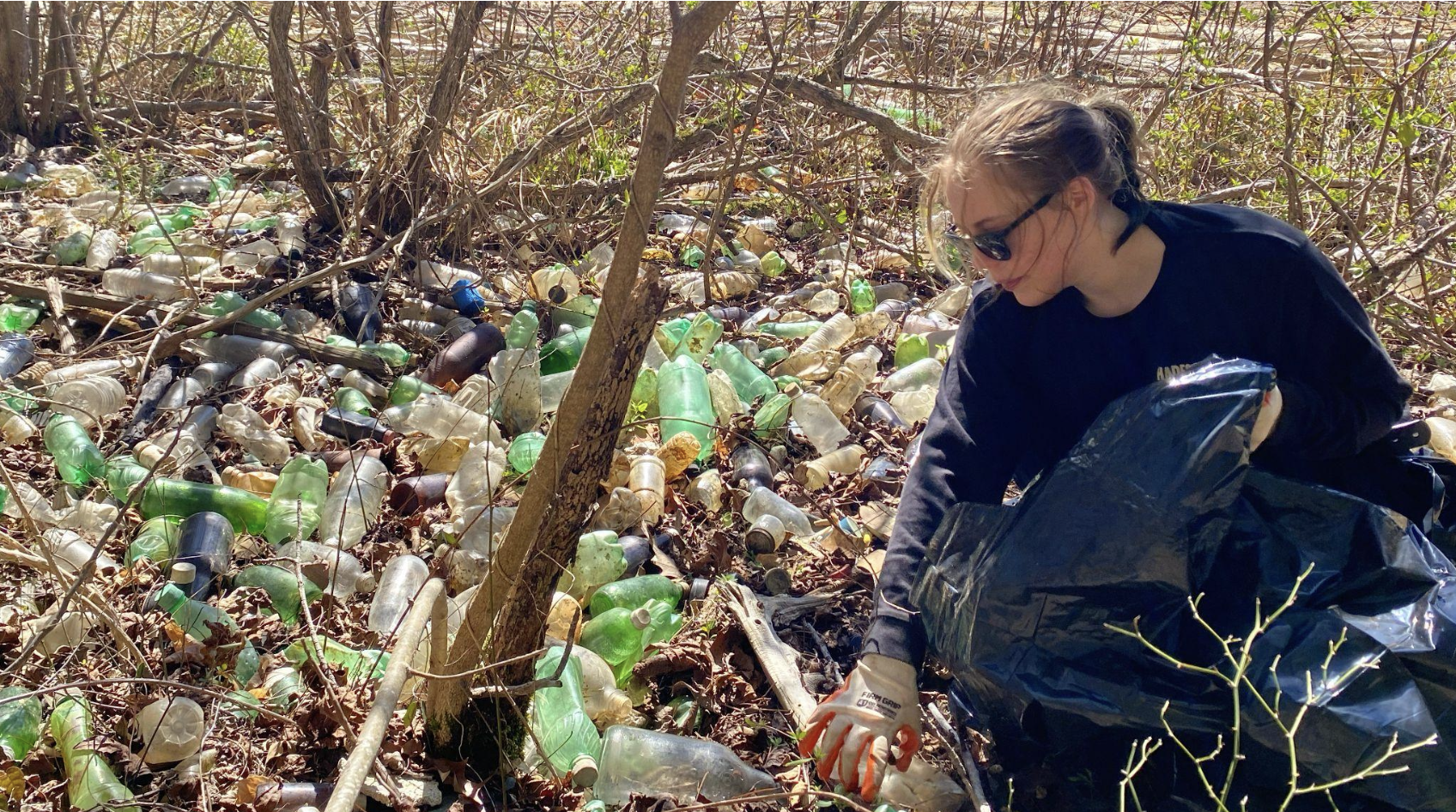
Most recycling drop-off locations accept 1 and 2 plastics, which are things such as soda bottles, milk jugs, and laundry detergent containers.
Some centers do accept plastics 3-7, but it’s important to check before you drop them off! For example, some facilities do not accept black plastic.
GLASS JARS & BOTTLES
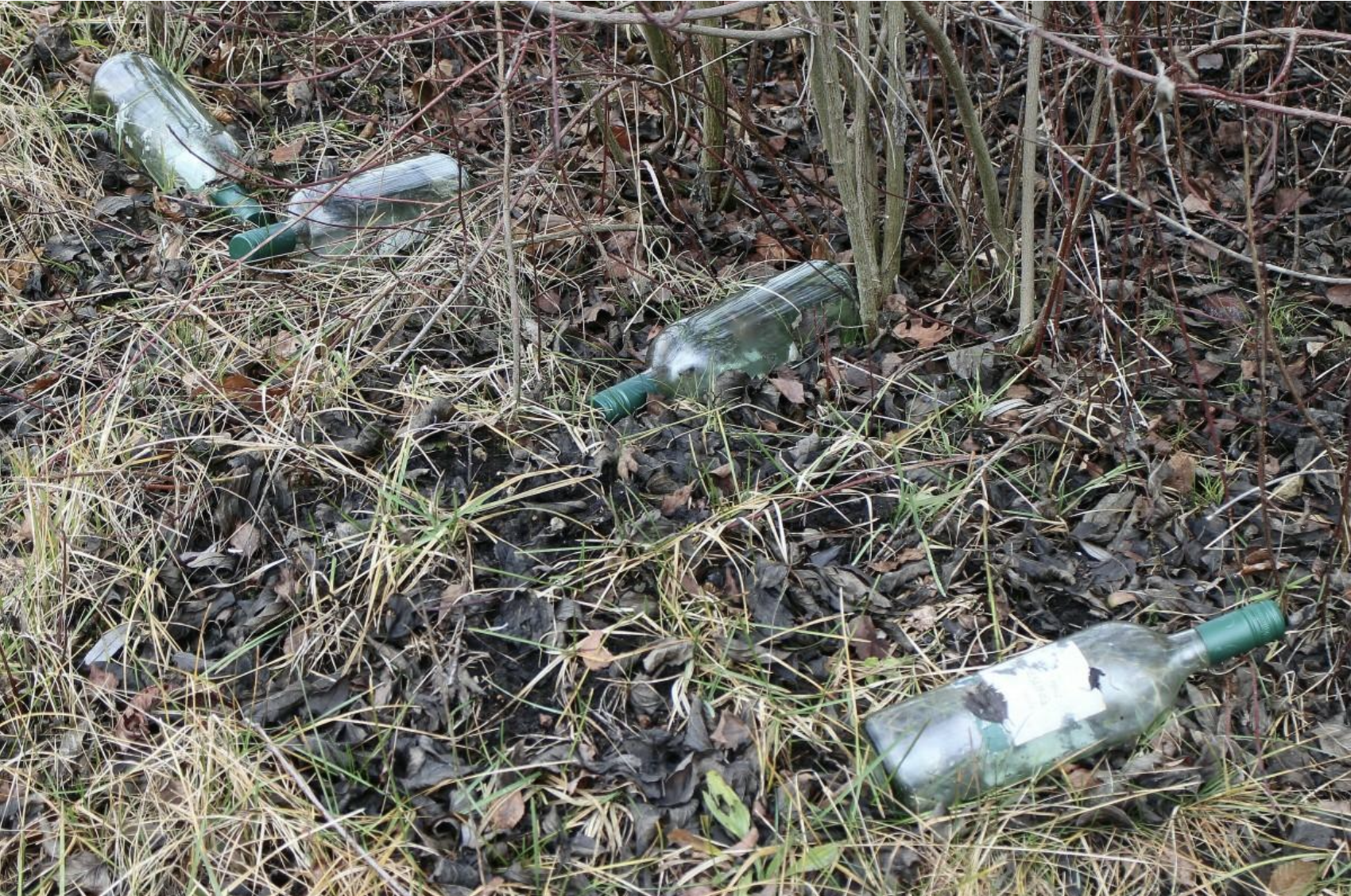
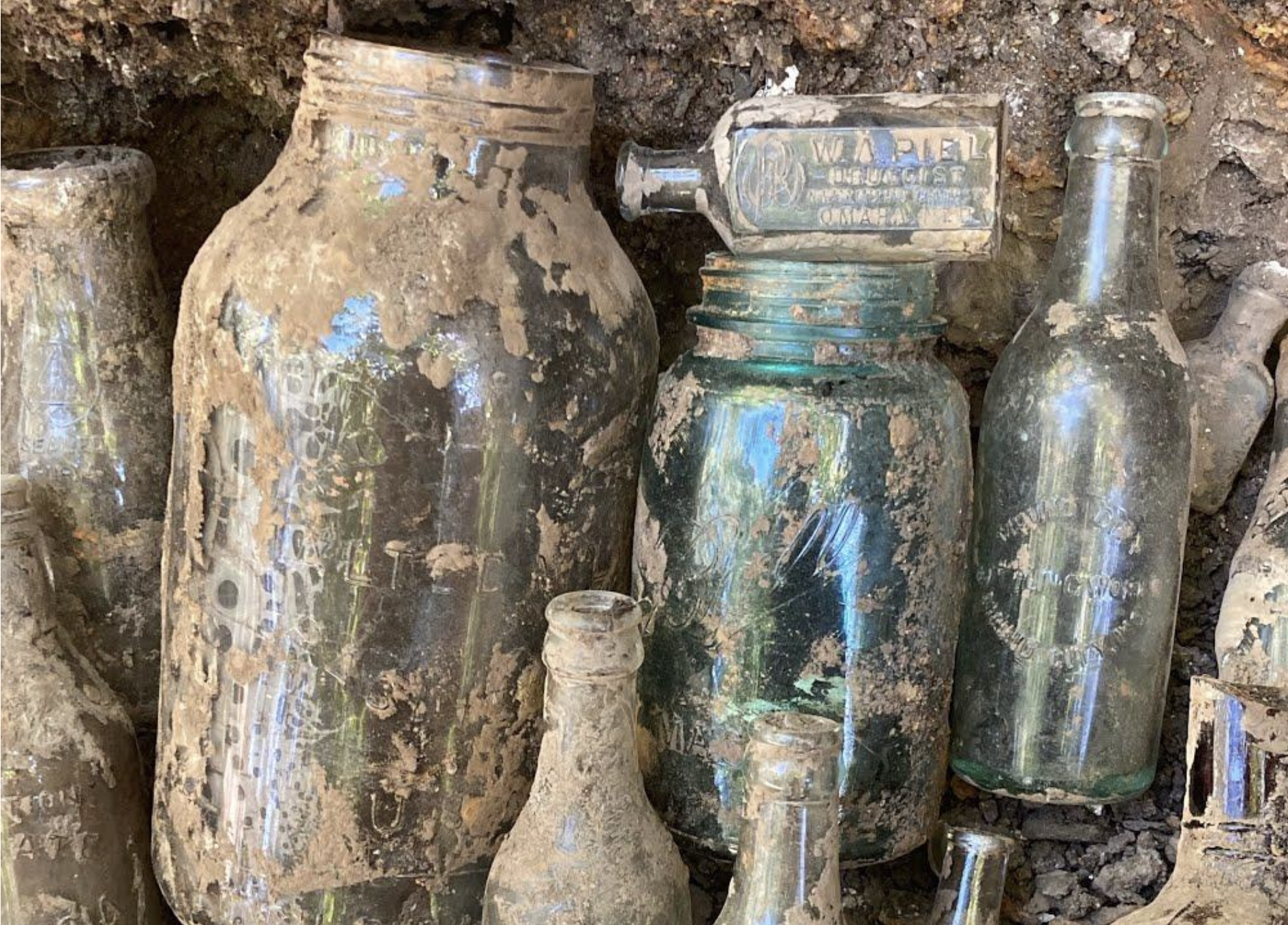
Glass jars and bottles can be tricky, but many recycling centers will accept them, especially in larger counties. They will typically be separated by color (clear, brown, green). Broken glass cannot be recycled.
SCRAP METAL
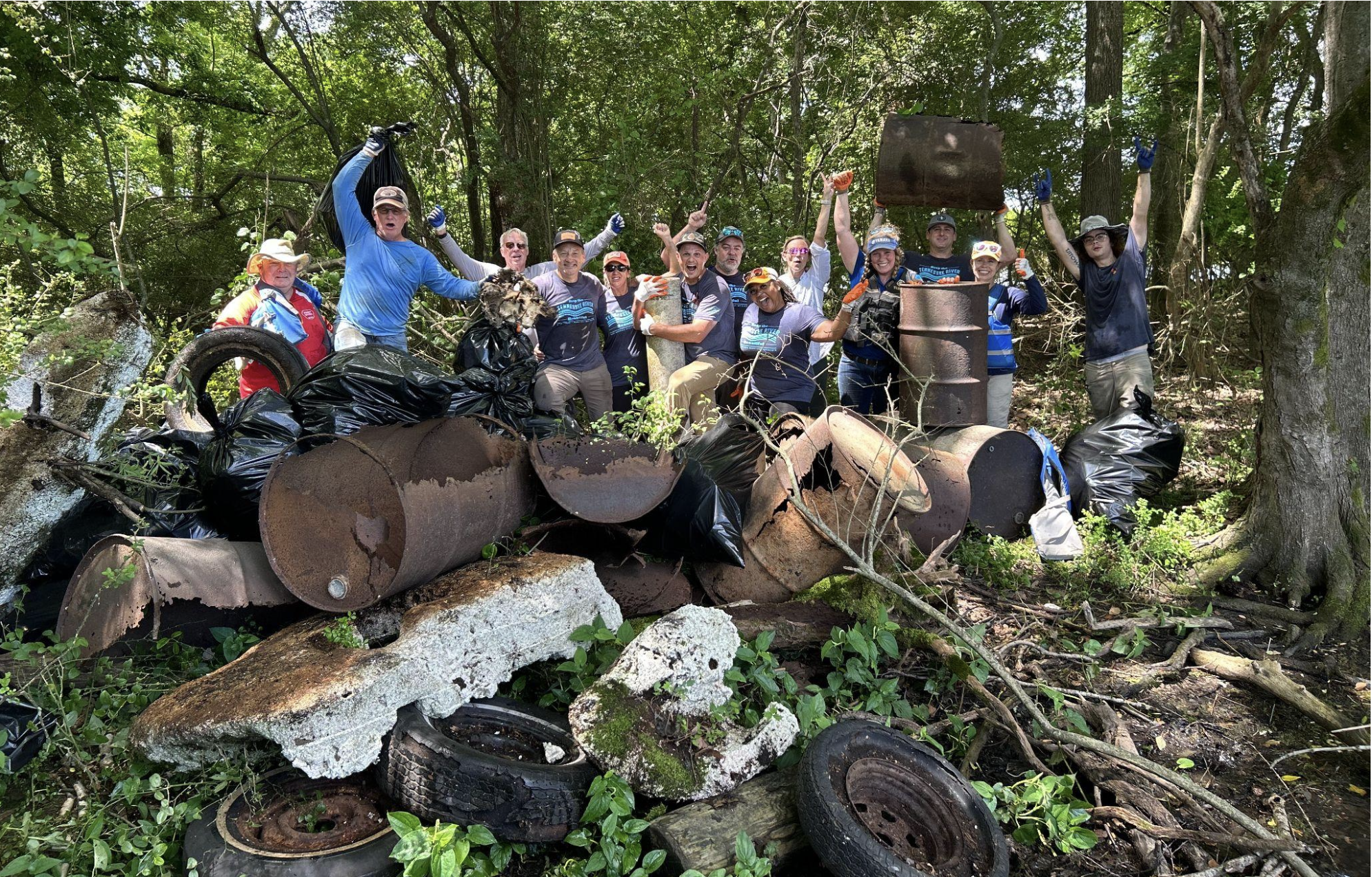
Scrap metal can be sold to scrap yards for recycling. Companies like SA Recycling & CMC Recycling will buy your metal!
Common scrap items include:
domestic appliances (refrigerators, stoves, etc.)
auto batteries
aluminum cans
metal barrels
Recycling scrap metal reduces the need to extract new raw materials, which conserves our limited natural resources.
It also reduces greenhouse gas emissions, as recycling materials requires much less energy than is needed to extract and process raw metals.
TIRES
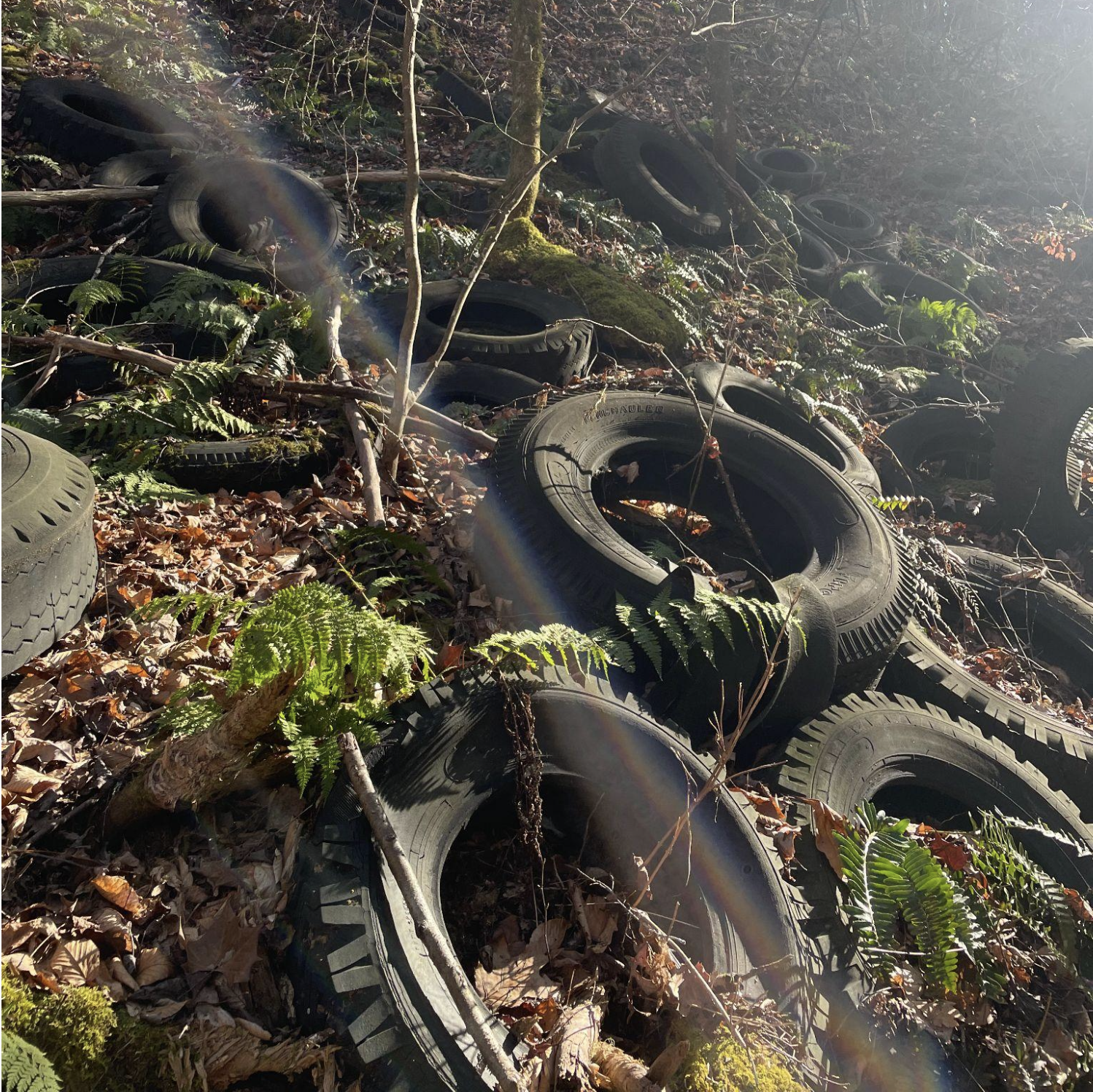
Tires can be recycled, typically for a small fee. Some centers do not accept muddy tires, so it’s important to clean them as much as possible. Tires can be cut into smaller pieces if needed for easier cleaning. Some centers accept tires with rims, but some do not. It’s important to research your center before bringing any tires.
Fishing lures are a common item that we find on cleanups. You can always opt to keep them, but we also encourage donating them to local youth fishing groups.
“WISHCYCLING”
Wishcycling occurs when someone disposes of waste in a recycling bin, when it cannot actually be recycled.
It’s well-intented, but happens as a result of miseducation. When non-recyclable items are introduced to the recycling stream, it can contaminate the items that are actually recyclable.
This can lead to entire bins of recyclables ending up in landfills, creating unnecessary waste, loss of income for the company, and, in the worst cases, closure of facilities.
Common wishcycled items include:
plastic bags
wrapping paper
bubble wrap
styrofoam
contaminated items such as bottles filled with mud or any other substances
Always research what items are accepted at your local facility/in your curbside bin before attempting to recycle anything. Most grocery stores have bins where you can recycle old plastic shopping bags.
If you are doubting whether or not something is recyclable, it’s best to throw it in the garbage. Tossing one item is better than contaminating an entire bin’s worth of recyclables.
REUSING
Reusing materials is an effective way to conserve energy, as it reduces the amount of waste that is sent to recycling/landfill facilities. This in turn reduces greenhouse gas emissions.
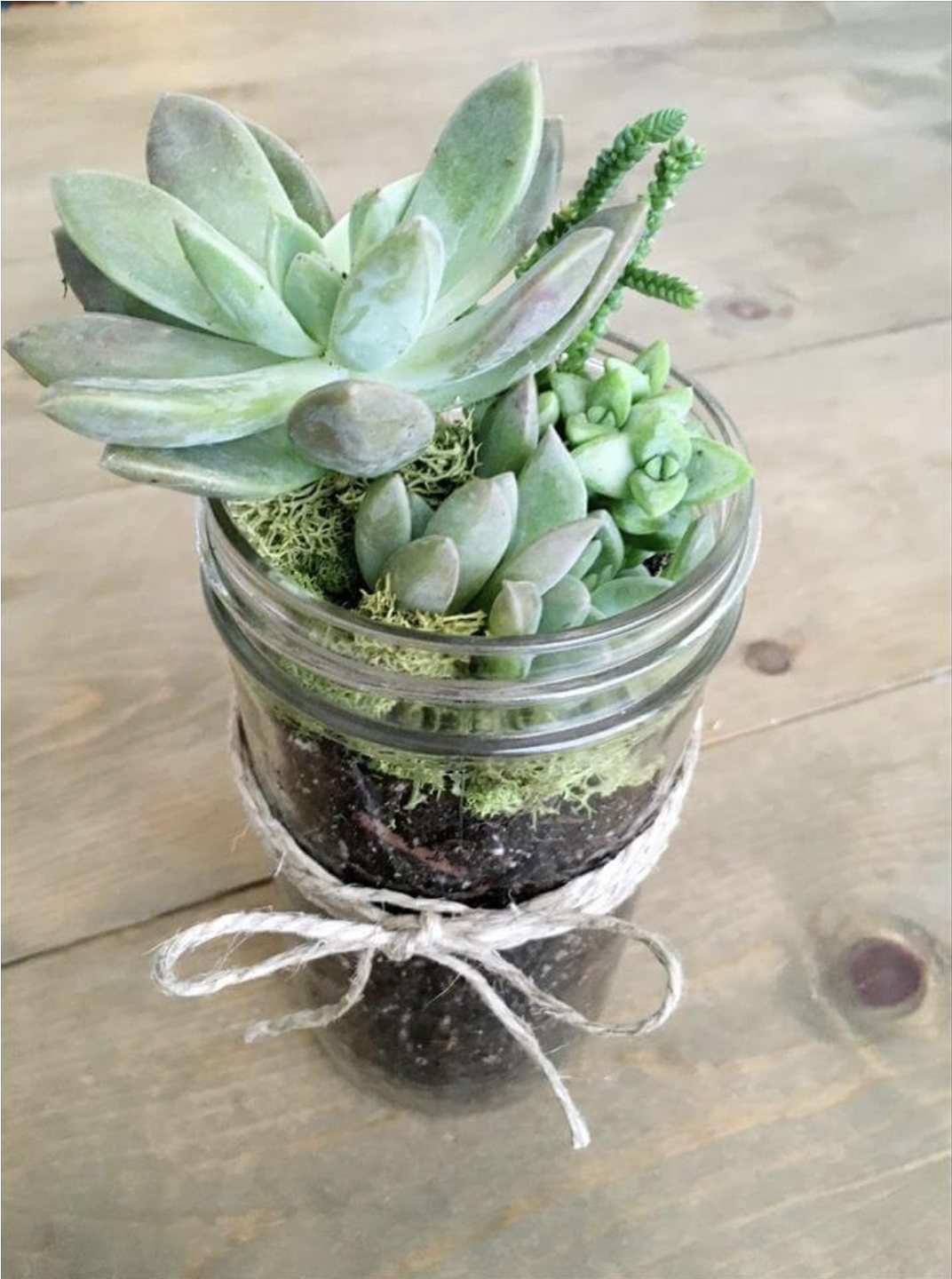
Glass jars and bottles can be repurposed into planters, candles, and flower vases. Reusing and repurposing is a great way to get creative while minimizing your environmental footprint!